

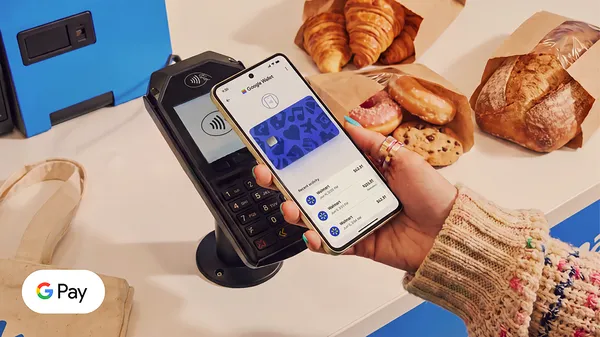
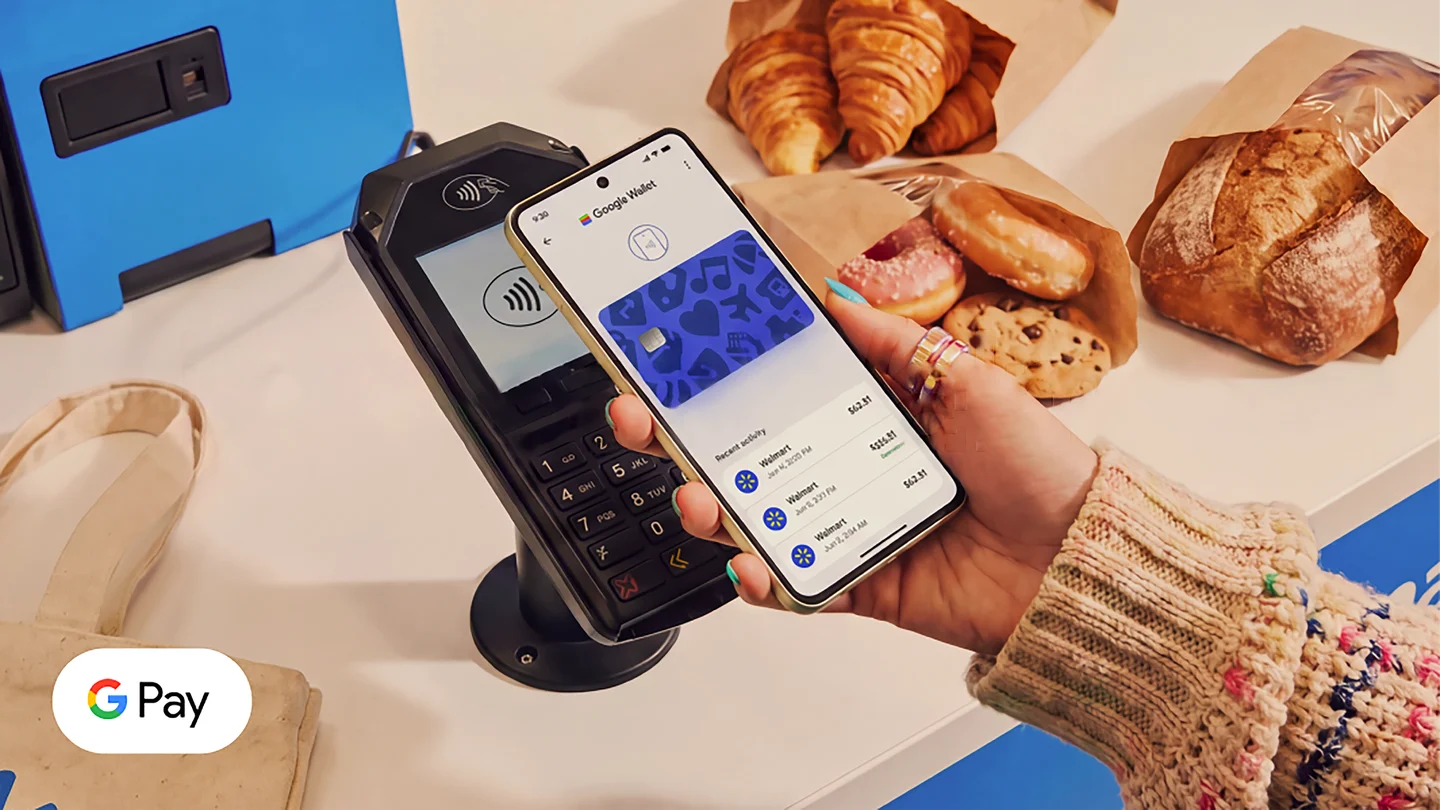
Walmart will soon support tap to pay functionality through Google Pay, allowing customers to complete transactions using their Android devices at checkout counters. This update expands the reach of contactless payment options for shoppers visiting physical retail locations.
Expanded Payment Options for Retail Shoppers
The integration of Google Pay into Walmart stores represents a shift toward more mobile-centric shopping experiences. Customers will be able to use their phones as digital wallets to pay for everyday essentials. This move aligns with the broader trend of retailers adopting contactless technology to streamline the checkout process and reduce friction for consumers.
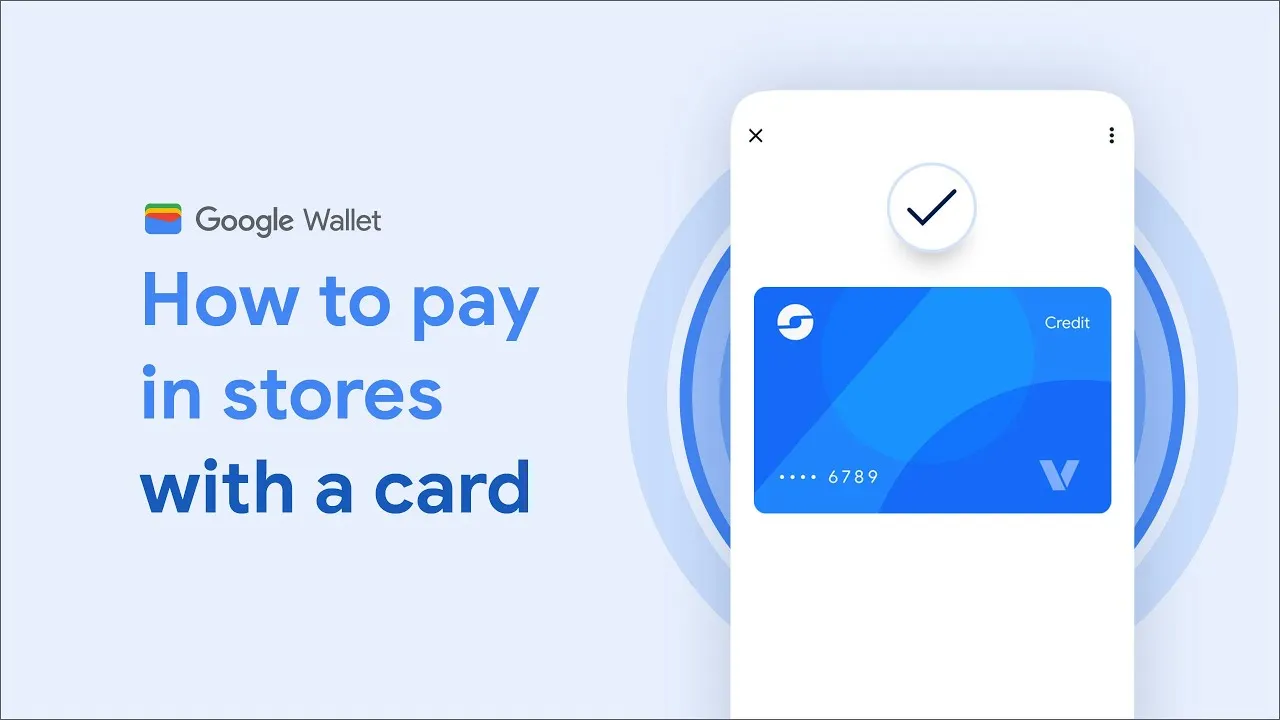
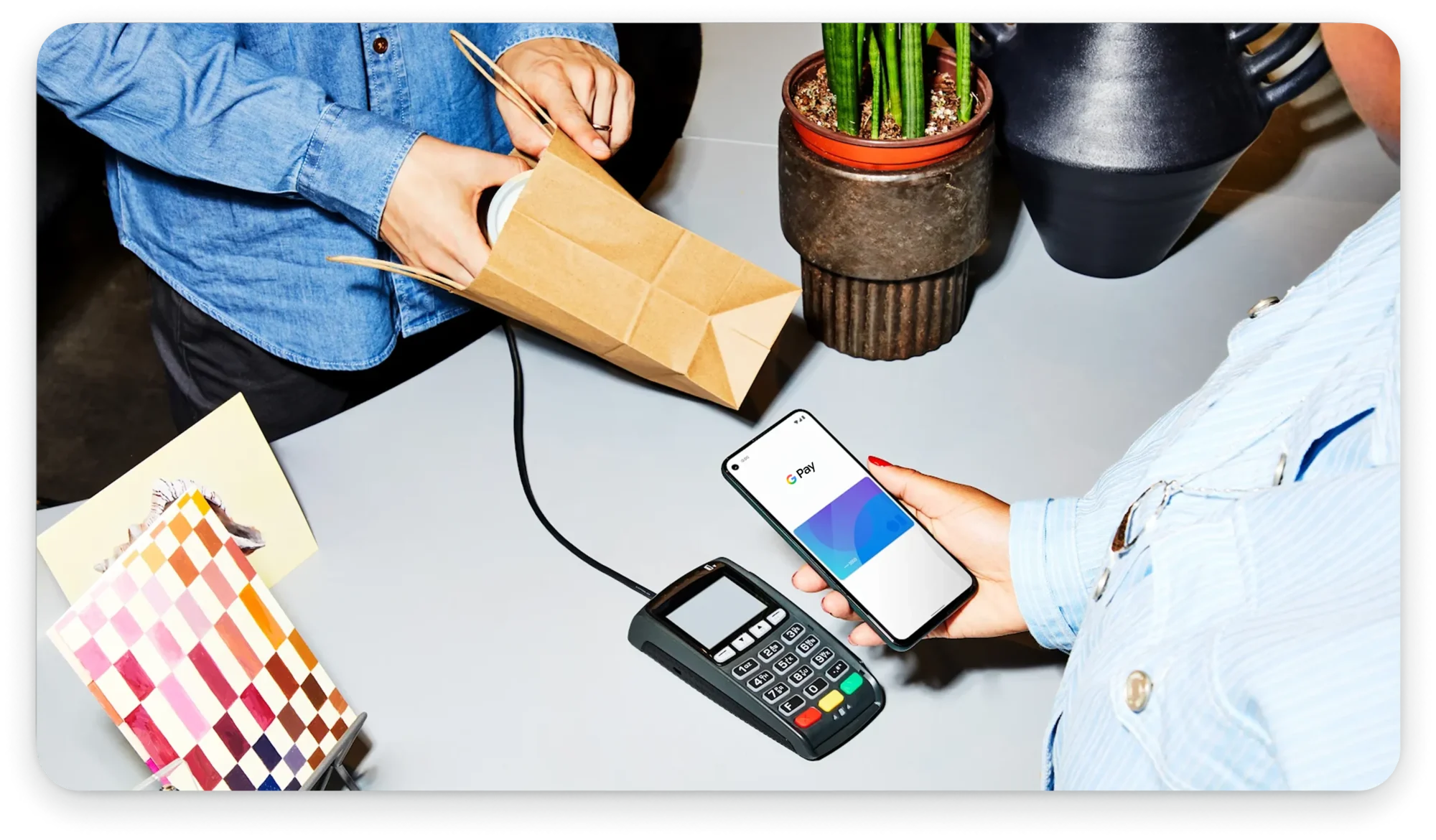
By enabling this feature, Walmart allows users to bypass traditional card swiping or manual entry. Instead, shoppers can hold their Android devices near a card reader at the point of sale. The system is designed to recognize the payment method and provide a visual confirmation, such as a check mark, once the transaction is processed. This technology is intended to make the transition from online shopping habits to in-person retail more consistent for the average user.
Technical Requirements and Device Setup
To utilize tap to pay at Walmart or other supported locations, users must ensure their mobile devices meet specific hardware and software configurations. A primary requirement is that Near Field Communication (NFC) must be enabled in the phone settings. Without active NFC, the device cannot communicate with the contactless terminals found at store registers.
Users also need to configure the Google Wallet app correctly before heading to the store. This involves several steps, including setting Google Pay as the default payment application and adding a supported contactless payment method, such as a credit or debit card. The app provides status messages to help users troubleshoot issues before they reach the checkout line. For example, if a card is not yet fully configured, the app will prompt the user to finish the setup process or notify them if a card has been suspended by their bank.
Security remains a central component of the Google Pay infrastructure. The platform uses built-in security measures, including encryption and fraud alerts, to protect personal information during transactions. Google maintains a policy of not selling personal information or transaction history to third parties. Users also have access to privacy settings to control how their data is managed within the app.
Wider Availability of Contactless Payments
While the addition of Walmart is a significant retail milestone, Google Pay’s tap to pay feature is already available in many other environments. The service supports payments for various goods and services worldwide. Beyond traditional retail stores, the technology is compatible with transit systems, allowing passengers to tap their devices at turnstiles, gates, or stations on trains and buses.
The versatility of the platform means that a single digital wallet can house multiple types of credentials. In addition to standard credit and debit cards, the Google Wallet app allows users to store loyalty cards and travel tickets. This consolidation helps simplify the checkout process by keeping all necessary information in one location on a mobile device. When a user holds their phone near a terminal, the system handles the communication with the merchant’s hardware automatically.
Merchant Integration and Branding
For businesses that accept these payments, Google provides tools to help communicate this capability to customers. Merchants can order free stickers to display at their storefronts or checkout counters. These stickers inform shoppers that the location supports Google Pay, which helps manage customer expectations and encourages the use of contactless technology. The presence of the Google Pay symbol or the standard contactless symbol on a payment terminal indicates that the device is ready to receive mobile payments.
The rollout of these features aims to provide a faster way to pay for travel and daily necessities. By integrating with major retailers like Walmart, Google is positioning its wallet technology as a primary tool for both large-scale shopping and small-scale everyday purchases. The move simplifies the user experience by requiring only a few actions: unlocking the phone, tapping the device, and waiting for the confirmation signal.
Implementation Details and Limitations
While the announcement confirms that Google Pay is coming to Walmart, specific dates for the rollout across all locations are not currently provided in the available documentation. The availability of the service may depend on the specific hardware installed at individual store locations. Retailers must have terminals that support the necessary contactless protocols to accept these mobile payments.
Users in different regions may also face variations in availability based on whether their payment methods are supported in their specific country. The Google Wallet help resources indicate that users must have a valid payment method in a supported region to complete transactions. If a user encounters an error message such as “Card suspended” or “Turn on NFC to pay,” they must follow the specific instructions provided by the app to resolve the issue before they can successfully pay at a Walmart register.
