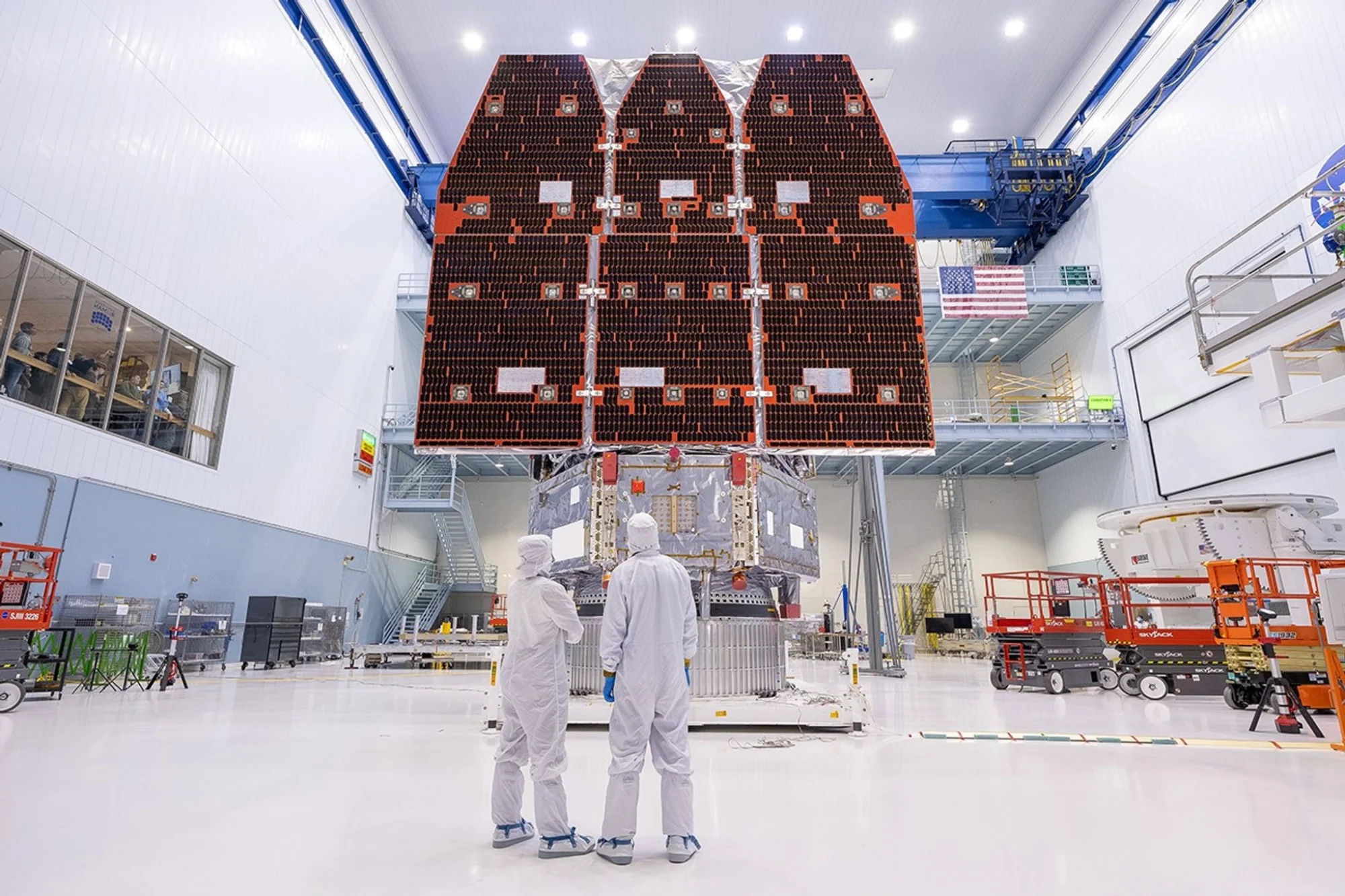

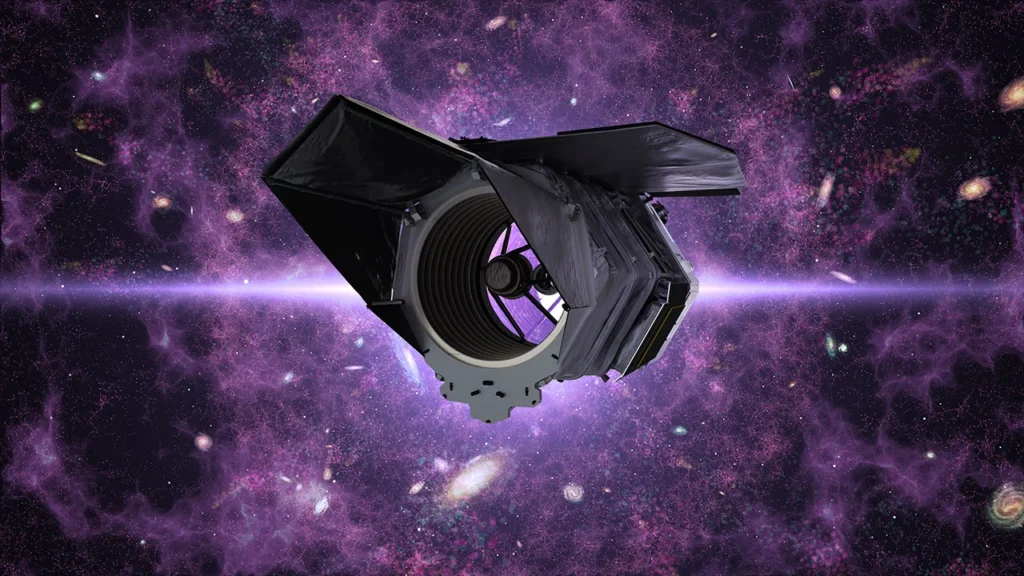
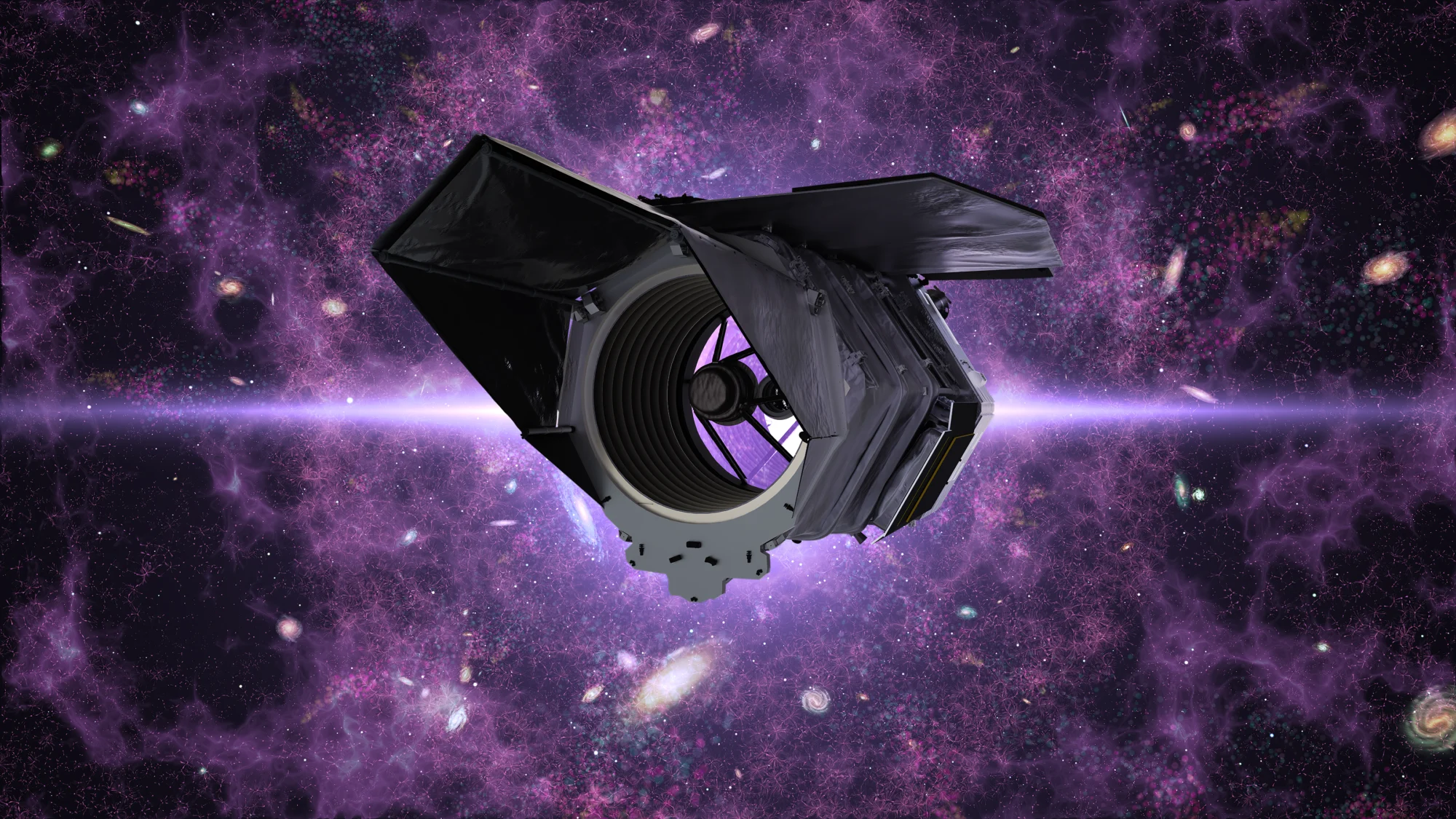
NASA has initiated the mission for its next great observatory to expand the current scientific understanding of the universe. The Roman Space Telescope represents a major step forward in space exploration, designed to provide high-resolution imagery and data on distant celestial bodies.
The Mission Objectives
The Roman Space Telescope serves as a primary tool for investigating the fundamental properties of the cosmos. By capturing images of the deep universe, the observatory aims to answer long-standing questions about how galaxies formed and evolved over billions of years. It will also focus on the behavior of dark matter and dark energy, which remain two of the most significant mysteries in modern physics.
Scientists expect the telescope to provide a broader view of the universe than previous instruments. While other observatories have focused on specific types of light or narrow regions of space, this mission seeks to create a comprehensive map of cosmic structures. The data gathered will help researchers understand the rate of expansion in the universe and the underlying forces that govern its growth.
Technical Specifications and Capabilities
The observatory is engineered to perform multiple roles simultaneously. It will conduct wide-field surveys to identify thousands of new galaxies and planets. This high-speed data collection allows for a more thorough analysis of the distribution of matter across different epochs of time. The telescope utilizes advanced optics to maintain clarity over vast distances.
One of the primary technical goals involves the study of exoplanets. The Roman Space Telescope will use gravitational microlensing to detect planets orbiting distant stars. This method allows astronomers to find smaller, Earth-sized worlds that might be difficult to see using other techniques. By identifying these planets, the mission helps determine how common habitable environments are in our galaxy.
The hardware configuration supports high-performance imaging and spectroscopy. These tools allow researchers to analyze the chemical composition of stars and gas clouds. By studying these elements, the team can trace the history of heavy element production in the universe. The telescope is designed to operate in a stable environment to ensure the precision of its measurements.
Timeline and Scientific Impact
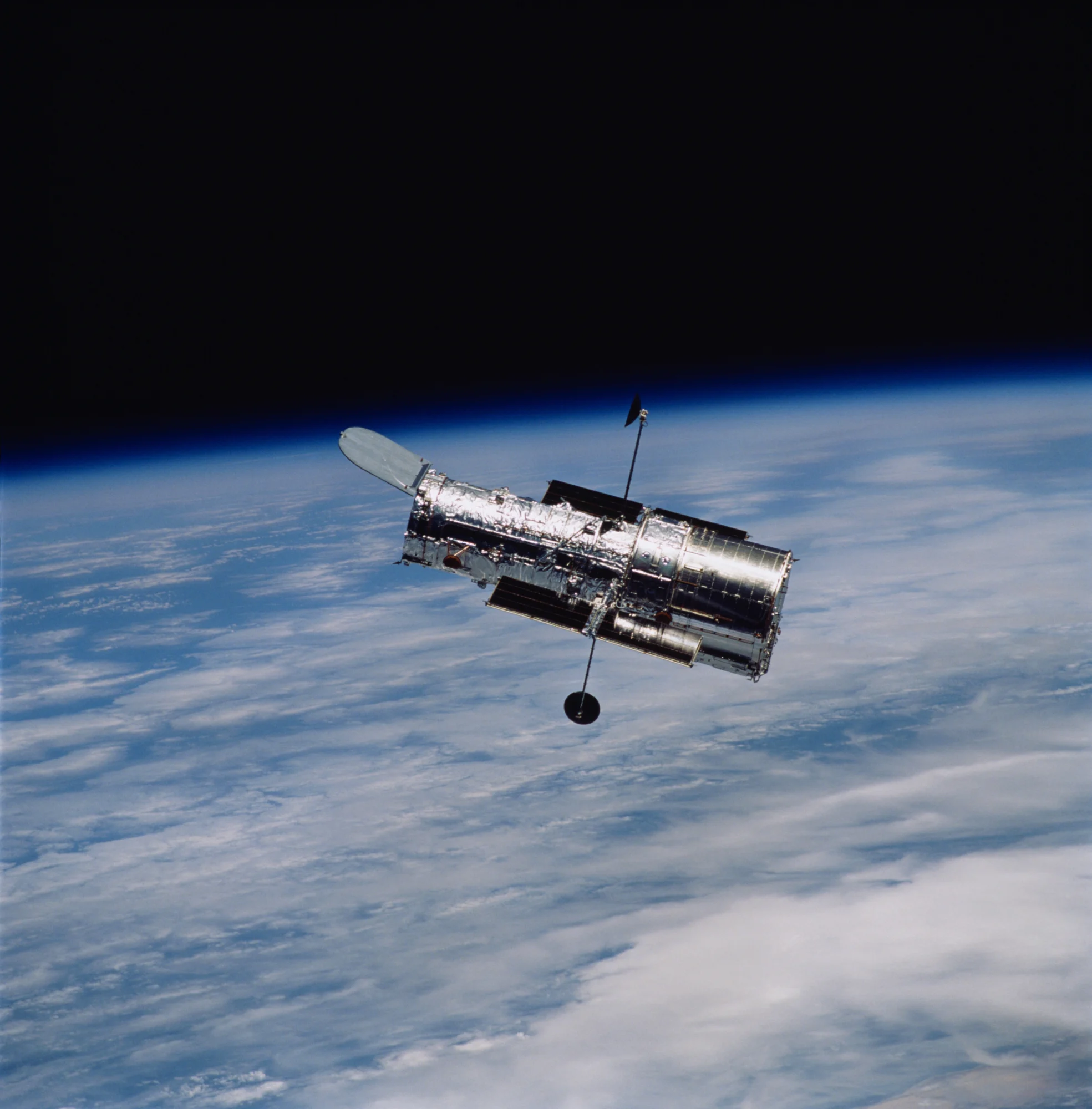
The mission began as part of a long-term commitment by NASA to advance space-based astronomy. The launch marks a transition into a new era of data collection where the volume of information will increase significantly. Researchers across the globe will have access to the findings, fostering international cooperation in the field of astrophysics.
The impact of this mission extends beyond simple observation. It provides a framework for future space missions by testing new technologies and methodologies. The success of the Roman Space Telescope will likely dictate the priorities for the next generation of orbital observatories. By widening the view of the universe, it establishes a baseline for what is possible in deep-space exploration.
Contextual Significance
Space agencies often prioritize specific types of research, but this mission seeks to balance several different scientific goals. It combines the search for new worlds with the study of large-scale cosmic structures. This multi-faceted approach ensures that the investment in the telescope yields a diverse range of results for different branches of science.
The observatory fills a gap in current capabilities by offering a wider field of view than some of its predecessors. While other telescopes might look at a single point with extreme detail, this mission captures the bigger picture. This balance between breadth and depth is essential for understanding how individual galaxies contribute to the overall structure of the cosmos.
Unanswered Questions
While the mission is now active, several questions remain for the scientific community. The specific rate at which dark energy influences galaxy clustering is still unknown. The telescope will provide the data needed to refine these models, but definitive answers may take years of analysis. Additionally, the exact frequency of Earth-sized planets in habitable zones remains a primary target for ongoing study.
The mission also faces the logistical challenges of long-term space operations. Maintaining the integrity of the instruments over many years in the harsh environment of space is a constant priority. Scientists will continue to monitor the health of the telescope as it begins its primary survey of the heavens. The results of these initial observations will eventually shape the roadmap for future astronomical research.